
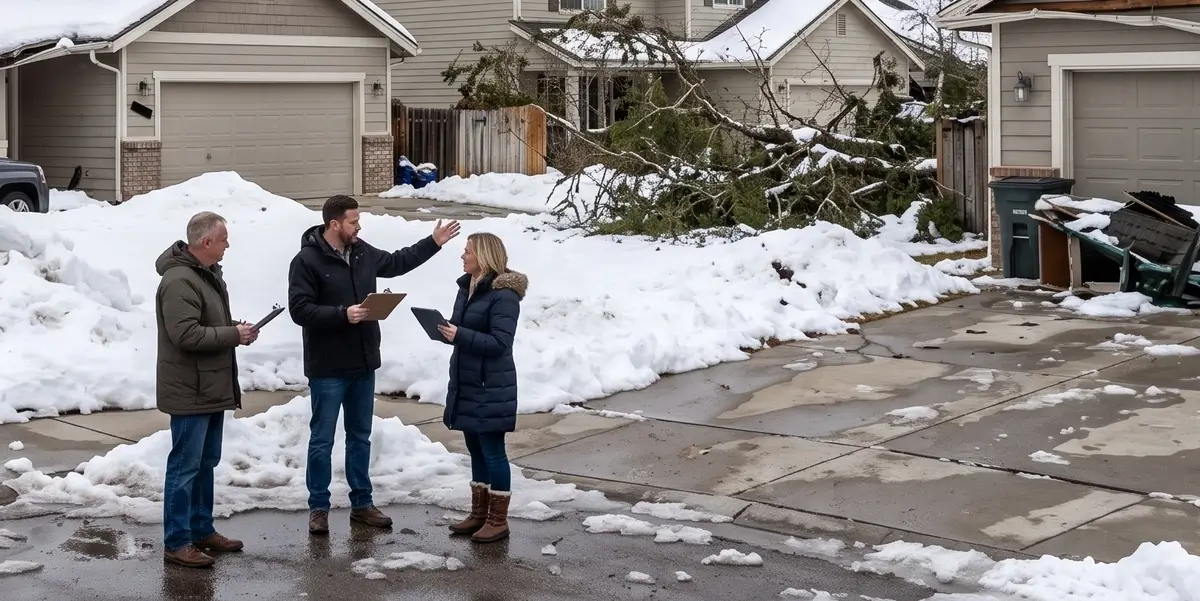
A board member reviewing a landscaping contract renewal in one tab and responding to a parking complaint in another already has plenty competing for attention before a special assessment notice adds to the pile. That kind of workload shows up constantly in conversations about growing lists of responsibilities falling on volunteer directors, and it’s part of why so many Treasure Valley communities get caught off guard when a major repair bill finally surfaces. Harsh winter conditions, rising insurance premiums, and aging roofing systems are combining in ways that flat dues were never built to absorb.
This guide breaks down what’s driving the increase locally and what boards can do before the next vote.
Key Takeaways
- Reserve studies written years ago rarely reflect current Idaho construction and insurance pricing.
- Freeze-thaw cycles common to the Treasure Valley accelerate roof and gutter wear faster than many plans assume.
- A repair deferred for even one winter season tends to return as a far larger bill.
- Transparent, frequent reporting helps owners accept an assessment instead of resisting it.
- Past enforcement decisions shape how residents respond when a new financial request arrives.
Why Reserve Studies Fall Behind Local Winter Conditions
Most reserve schedules were written before Treasure Valley construction costs and insurance pricing reached current levels. Few boards ever revisited those projections once winter-related claims started climbing, and the gap keeps widening.
A few factors explain why this happens:
- Roofing and gutter repairs cost more as regional demand for skilled contractors outpaces supply.
- Repeated freeze-thaw cycles accelerate wear on shingles, flashing, and drainage systems faster than standard national estimates account for.
- Insurance premiums climb annually, partly tied to winter storm claims and partly to rebuilding costs.
- Dues set years ago stay flat while actual project costs climb every budget cycle.
Owners and investors often ask why dues keep rising even without an obvious project underway, and the honest answer usually traces back to this widening gap. Associations that have worked through the dynamics in maintenance priorities set together tend to recognize this pattern sooner, since stalled projects often mask a deeper funding shortfall.
How Winter Weather Pushes Insurance Costs Higher
Idaho associations face insurance pressure tied to seasonal weather patterns and regional construction demand. A few trends show up consistently across the Treasure Valley:
- Master policies covering common areas renew at rates well above the previous term.
- Insurers increasingly price in winter storm and ice damage claims when setting renewal rates.
- A lapse in coverage creates real liability rather than meaningful savings, since governing documents require it.
- Associations without a reserve cushion pass these increases directly to owners.
The median special assessment reached $1,100 per door in 2025, and in regions with harsh winter exposure, that figure often runs higher once roofing and drainage repairs factor into the equation.
A Real Example: What Happens When Ice Dam Damage Gets Delayed
A mid-sized townhome community near Boise illustrates how quickly a manageable repair can spiral once pushed back repeatedly.
Two Winters of Warning Signs
The association’s reserve study flagged recurring ice dam issues along the north-facing roofline two budget cycles in a row. The board held off addressing it fully both times, concerned that owners already stretched by rising property taxes wouldn’t welcome another increase. The board treasurer at the time later admitted she didn’t feel confident bringing it up again so soon.
The Bill That Followed
An unusually hard freeze-thaw cycle worsened the existing ice dams, forcing meltwater beneath the shingles and causing interior water damage in several units. The emergency repair came in well above what a planned replacement would have cost a year earlier, and the board had no option left except a special assessment due within 45 days, leaving little room to negotiate contractor pricing under that kind of urgency.
Thin Reporting Makes Every Assessment Harder to Defend
Boards earn owner trust through steady, itemized reporting rather than a single explanation delivered after a problem has already escalated. A few warning signs tend to surface before a funding gap becomes a surprise bill:
- Monthly financial statements arrive late or get skipped for a cycle or two.
- Reserve balances get mentioned verbally at meetings but never appear in writing.
- Vendor invoices show up that weren’t part of any earlier budget discussion.
- The same financial questions get asked repeatedly because the numbers were never explained clearly the first time.
Communities working through the situation described in strong finances still stirring debate often discover that accurate numbers alone rarely resolve disagreement; timing and clarity matter just as much. Insurance pressure tells a similar story outside Idaho too. Florida homeowners now pay an average of $2,691 a year for property coverage, a figure that’s climbed nearly 50 percent since 2020. Different regions face very different weather exposures, but the pressure on reserves tends to land in a similar place.
Enforcement History Shapes How Owners Respond
Special assessments land hardest in communities where owners already feel excluded from board decisions. Associations leaning on rigid, mechanical enforcement tend to see that frustration resurface the moment a financial request arrives.
That resistance usually follows a familiar pattern:
- Owners question the math even when the calculations are sound.
- Meeting attendance spikes and conversations grow tense quickly.
- Unrelated rule disputes from months earlier resurface during the vote.
- Some residents delay payment simply to register frustration with the board’s general approach.
A homeowner who already feels unheard rarely extends patience to a large bill, and he typically says so at the next meeting. Communities working through the dynamics in enforcement without losing trust often find that same frustration resurfaces during assessment season.
Practical Steps for Boise Boards
How a board prepares before a vote usually matters more than the final dollar figure. A short list of moves can reduce both the size of an assessment and the resistance that follows:
- Pull the current reserve study and compare it against actual account balances rather than relying on memory.
- Request updated contractor bids instead of leaning on pricing from a few years back.
- Review delinquency rates closely, since unpaid dues often widen the shortfall further than expected.
- Share the full reasoning with owners well before the vote, not after the notice is mailed.
- Put routine compliance walkthroughs on the calendar so roofing wear, drainage issues, and small violations get caught while they’re still inexpensive to address.
Boards navigating that kind of pressure often lean on resources built for board members to understand their options before a vote locks them in.
FAQs about HOA Special Assessments in Boise, ID
How does a board decide between raising dues permanently or levying a one-time assessment?
Boards typically weigh whether the expense is recurring or isolated. A single major repair often favors an assessment, while ongoing cost increases usually call for a permanent dues adjustment instead.
Are newly built HOA communities in the Treasure Valley less likely to face special assessments?
Not necessarily. New communities often have smaller reserve funds built up, which can leave them just as exposed to unexpected repair costs as older, more established associations nearby.
Can a board member be held personally liable for approving an insufficient assessment amount?
Generally no, as long as the board acted reasonably and in good faith based on available information, though documentation of that decision-making process matters if questions arise later.
What happens to unpaid special assessment balances if a homeowner declares bankruptcy?
Outcomes vary by case, but HOA assessment debt is sometimes treated differently than other unsecured debts, and associations may still pursue collection depending on the specifics involved.
Does a reserve study need to be updated every year to stay useful for assessment planning?
Most associations update full reserve studies every few years, with annual reviews in between to adjust for actual costs and catch funding gaps before they become significant.
Strengthening Financial Resilience Across the Treasure Valley
Harsh winters and rising insurance costs aren’t easing up across the Treasure Valley, and Boise associations are likely to keep feeling that pressure on their reserve funds for years to come. Boards that manage it well tend to share a few habits: current reserve numbers, consistent communication, and reporting that holds up to scrutiny before a vote ever happens.
PMI Treasure Valley partners with Boise associations to build that kind of financial structure, helping boards explain decisions with real numbers instead of guesswork. Map your reserve standing with our team and get an honest picture of where your community stands before the next hard freeze forces the issue.
